Data Collection with a Purpose: How Team-Based Data Collection Optimizes Reimbursement and Outcomes

Are you tired of the same old routine when it comes to gathering patient data? Do you dread the thought of filling out paperwork and trying to figure out all the details of each patient's GG data? Well, fear not my friends, because I have a team-based approach that will make the process of gathering patient data more efficient, accurate, and dare I say... fun?
In this article we will discuss key actions you can take to help your team really understand and value the benefits of how to collect patient data accurately.
Tips Before Getting Started
Before you get started, make sure you're using technology to your advantage. Electronic health record (EHR) systems can help simplify the documentation process and make it easier to manage Section GG assessments.
Your EHR should be helping you to ensure that the assessments are completed consistently and accurately.
To ensure accuracy and consistency in data collection, the team should utilize their EHR to prompt when this data should be collected use it as a working tool.
Now is a great time to hit up your software vendor to really ensure the data your staff are collecting is up-to-date and actually useful!
This is also a critical time consider changing the current Point of Care (POC) software to capture the Section GG items that are within the CNAs scope. This will help paint a more accurate picture of the residents and ensure you're capturing important reimbursement data. For example, you might consider breaking down the “Bed Mobility” items and adding new items to the CNA documentation requirements like "how did the roll left to right" and "move from sitting to lying, and from lying to sitting".
Getting Started
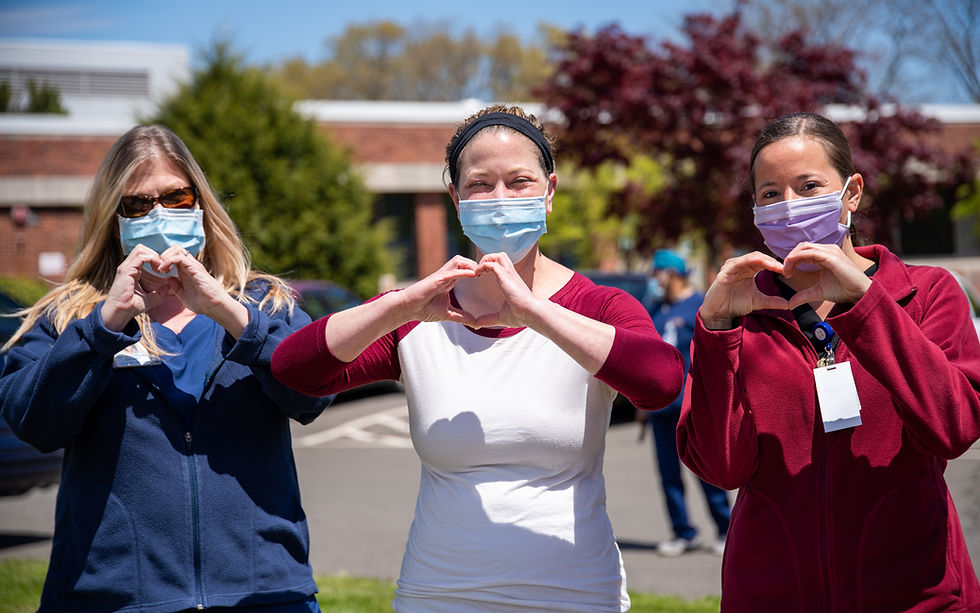
Once you’re happy with the details of your documentation requirements, it’s time to get the team together! We're talking licensed therapists, certified nursing assistants, and licensed nurses who work directly with the patient. You know, the dream team! You will want to have an initial kick-off meeting, so everyone is on the same page. During this initial training, the MDS Coordinator and Therapy Manager should lead a discussion on the importance of accurate patient data and provide guidance on how to properly assess patients for Section GG items. The MDS Coordinator and Therapy manager should then lead a training for the CNAs and nurses on the 6-point system for coding relevant ADLs. Make it even more powerful by having a hands-on workshop to show how much help "touching" assistance versus "moderate" assistance versus "maximal" assistance really is and how far 50 feet is.
Be sure the training includes a plan for data collection that gives specific tasks for each team member in the training. For example, CNAs could be responsible for collecting data on the patient's functional abilities of bed mobility, transfers, eating and hygiene. Licensed therapists could be responsible for car transfers, wheeling and walking items, and interpreting all the data to develop the therapy plan of care. The licensed therapists should also continue to complete all items in Section GG during the 3-day windows for their own evaluation of the patient to ensure completeness and accuracy of their treatment for each patient. The MDS Coordinator would then analyze all of this information for input into the MDS item sets. Teamwork makes the dream work!
Putting it into Practice

Once everyone is trained and knows their role, you’re not just going to sit through another boring meeting together, you're going to collaborate and communicate regularly. While you’ll still need the daily PDPM and Medicare meetings, a daily huddle at the nurses station is where direct care staff and management meet. This is how you can optimize data gathering like never before! Having a quick daily huddle will provide accurate and useful information not only for Section GG requirements but will also serve as a working tool to meet the patients goals.
We all know Section GG is critical for determining the functional abilities of the patient, but let's make it more interesting. During your daily huddle talk about the patients and determine which items in Section GG are most relevant to the patient's plan of care. Do this for each patient who is in their 3-day window. You know, really personalize it the way we’re supposed to. You will also want to put an emphasis on the accuracy of items that affect PDPM rates because let’s face it, in the unfortunate event of an audit these items will be targeted.
You're going to also want to set up regular team meetings to review the data collected, assess the patient's progress, and adjust the care plan as necessary. For states that require Section GG for OBRA assessments, this could be during the lookback period for the MDS. For skilled short term residents, this would occur as needed such as during a major improvement or decline in function. Make these meetings interactive and fun! The certified nursing assistants should be encouraged to ask questions and provide feedback on their experiences caring for the patients and discuss any progress or setbacks. Therapists should also provide updates and any pertinent details about their goals.
So, are you ready to revolutionize the way you gather patient data? Let's look at a real-world scenario of how this works.
As the team begins to collect and discuss data, they have found discrepancies on 3 patients. The team quickly works together to identify the cause of these discrepancies. This ensures that future data collection is accurate and consistent. Because they are having a quick daily huddle with direct care staff and managers can see daily point of care reports they are able to make the needed adjustments in time to meet the 3-day lookback requirement. It is like a puzzle that the team solves together!
So how did they do it you ask? Easier said than done, you think… Well, they discuss each of the discrepancies and determine they are occurring for different reasons.
After discussing the variances in the first patient they discover it is because patient #1 reacts differently to different care givers, she prefers male care givers and doesn’t cooperate with female caregivers.
Patient #2 says he is tired after his rigorous therapy sessions and his legs feel weak. He states he is afraid his knees may give out and needs more help transferring in the evening.
Patient #3 was miscoded, and it was discovered that there is a need for further education to night shift CNAs.
With practice, the team has gotten pretty good at ensuring they are gathering and documenting accurate GG data. When they encounter challenges in collecting patient data due to a patient who is uncooperative or difficult to assess they know what to do. They are quickly able to work together to find solutions. The licensed therapists provide guidance on different approaches that may make the patient more agreeable to participation. They also offer suggestions on how to make the patient more comfortable or at ease. The daily huddle has made this possible!
By asking the right questions and having interactive conversations during the huddle the team has revealed a lot of useful information that will be implemented into their treatment and care plan.
PDPM and Medicare Meeting
With all the information gathered during huddle, the PDPM and Medicare meetings should be a breeze! Your licensed therapists and MDS coordinators have already reviewed the data collected and have all the information needed to complete Section GG and develop a plan of care that is really personalized and valuable for the patient. They also have the data available to share with the interdisciplinary team for discharge planning. Together, the management team can discuss any changes to the care plan that need to be made based on the data collected.
In conclusion, gathering accurate patient data is critical for effective care delivery and optimizing reimbursement. And let's be honest, who doesn't love optimizing reimbursement? A team-based approach to data collection can make this process easier and more efficient. By establishing a team, identifying specific patient data to be gathered, holding regular team meetings, and using technology, healthcare professionals like you can gather accurate patient data and ensure they are using it to provide high-quality care to your patients.
Does your facility need to revamp their Section GG process? We can help you put together a training, update your data collection methods and even do a Functional Abilities Training for you!
Let MDS Solutions HQ show you where your opportunities are! We also provide skilled documentation trainings, survey preparedness audits, MDS training and audits, and Interim MDS completion. Training can be done remotely or in person. Reach out today for a complimentary consultation!
Contact me at:
Vanessa@mdssolutionshq.com or 404-309-3013

Vanessa Tyscka founded MDS Solutions HQ after 25+ years of service focused on serving Skilled Nursing Facilities and their residents. During her career she has worked as a Senior Reimbursement Specialist, Regional MDS Director, MDS Coordinator, DON, ADON, Unit Manager, RN, LPN, and CNA. She has worked for large and medium sized corporations and also has consulting experience in standalone and small organizations. She brings a passion of caring and expert knowledge to every facility she visits. To learn more about Vanessa’s experience and services check out her website https://mdssolutionshq.wixsite.com/my-site or visit her LinkedIn page: www.linkedin.com/in/vanessatysckarn
When Vanessa isn’t working she enjoys cooking things she’s never tried before and spending time in the mountains or on a beach.


Comments